
5 Signs Your Horse Is Uncomfortable in Their Saddle (That You're Probably Missing)
Saddle-related discomfort can be difficult to spot because many horses compensate quietly. Rather than showing overt pain, they may present subtle changes in way of going, behaviour under saddle, or sensitivity during tacking up.
From a saddling perspective, these patterns are often linked to how pressure is distributed across the horse’s back and how freely the shoulder and thoracic spine can move during work. Below are five commonly missed indicators that warrant a closer look at fit, balance, and overall saddle design.
1. They Persistently Swish Their Tail (And It's Not Fly Season)
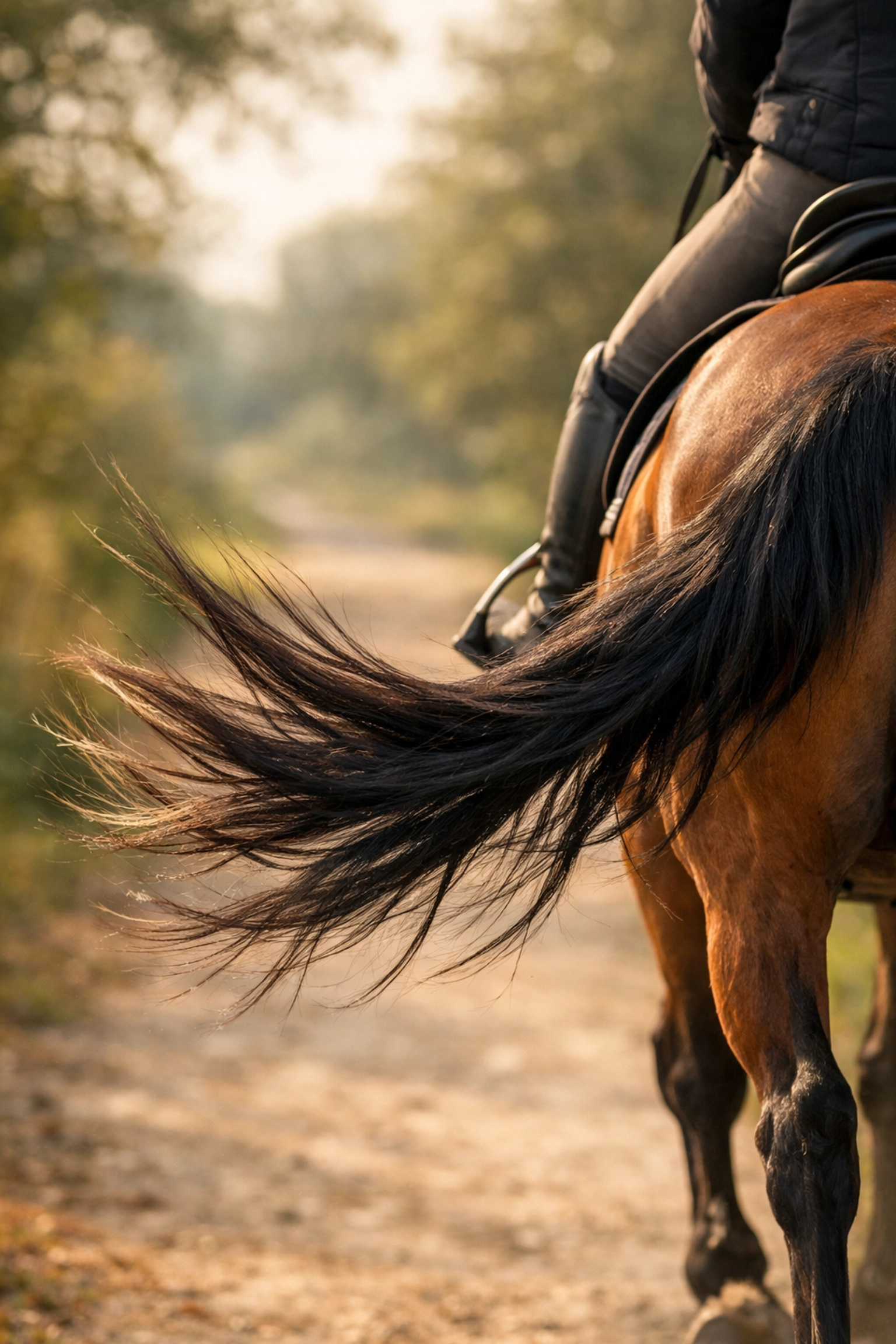
Persistent tail swishing during work, particularly on straight lines or during transitions, can indicate discomfort through the back, girth area, or loins. While tail movement can have multiple causes, repeated and consistent swishing in the absence of obvious triggers is a useful sign to consider within a saddle-fit assessment.
One common contributor is localised pressure or instability that increases as the horse moves. In a traditional treed saddle, a rigid structure may not accommodate changes in back shape throughout the stride, potentially creating concentrated pressure in the same regions with each step.
A close-contact, treeless design is intended to reduce rigid bridging and to allow the saddle to follow the horse’s movement more closely. When combined with appropriate padding and correct positioning, this can help support more even pressure distribution and improved comfort during work.
2. Tripping Over Absolutely Nothing
If a horse begins to trip, feel short-strided, or show a reduction in freedom through the shoulder, saddle placement and stability should be assessed alongside other factors.
A saddle that sits too far forward can interfere with the scapula’s rotation and the soft tissue behind the shoulder. This is particularly relevant in horses with large shoulders or significant movement in the front end. When the shoulder cannot move freely, the horse may shorten the stride and adjust balance, which can show up as toe-dragging, stumbling, or reduced engagement.
Treeless saddles remove the rigid points associated with a tree, which can help reduce restrictions around the shoulder area when the saddle is correctly positioned and padded. The key is ensuring the saddle remains stable behind the scapula and supports the rider’s weight without shifting onto the horse’s shoulder.
3. Suddenly Developing "Sticky Brakes" or Jump Refusals
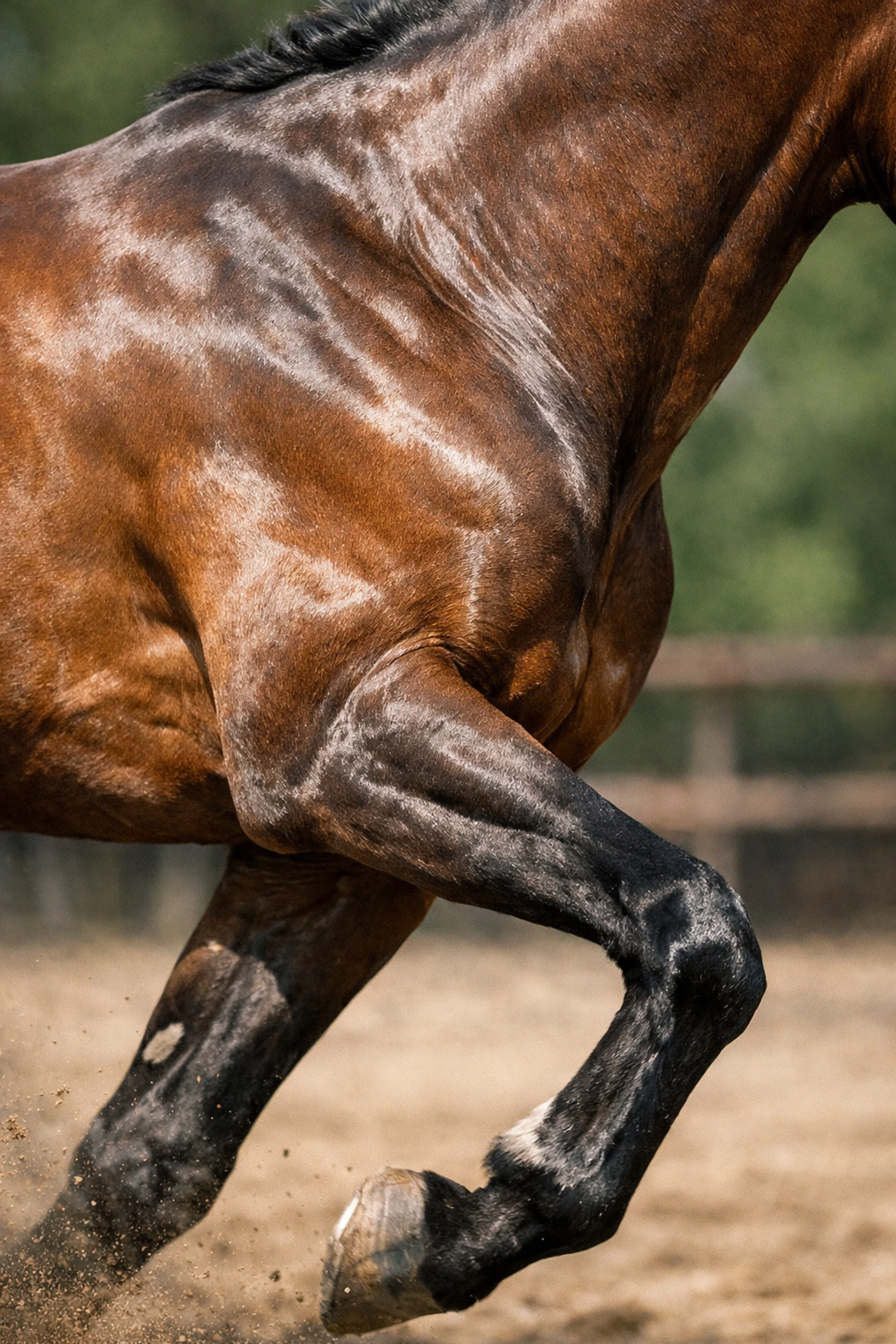
A sudden reluctance to go forward, reluctance to pick up canter, bucking after fences, or jump refusals can be associated with discomfort—particularly when the demands of the gait or movement require the horse to lift and use the thoracolumbar spine.
During jumping, canter work, and collected transitions, the back must elevate and the muscles along the topline need room to contract and lengthen. Importantly, research supports that the horse’s back is not a fixed shape during work. Greve, Murray, and Dyson (2015) documented measurable increases in thoracolumbar back dimensions during exercise, with the greatest increases seen when horses were working correctly. In practical terms, a saddle that appears acceptable when the horse is standing can become functionally tighter once the horse is moving and using the back as intended.
When a saddle is rigid or already close in fit, this normal, exercise-related expansion may be restricted. The result can be increased pressure at precisely the moment the horse needs freedom to lift through the back, which may discourage correct use of the topline and, over time, limit the horse’s ability to develop and maintain back musculature. This is one reason saddle fit should be considered dynamically (in motion), not only in a static assessment.
With a treed saddle, the fixed structure may not accommodate the full change in shape through movement for every horse. Total Contact Saddles are treeless and designed to follow the horse’s back more closely through the stride. When fitted and padded correctly, this design aims to support the rider while allowing the horse to lift, round, and move without rigid interference.
4. You Can't Stay Centred (And It's Not Your Riding)
If you consistently feel tipped forward, pushed behind the movement, or unable to maintain a neutral pelvis, the saddle’s balance and stability should be assessed before assuming it is purely a riding issue.
Saddle balance can be affected by flocking or padding distribution, the underlying structure, and how well the saddle’s profile matches the horse’s back. When balance is incorrect, the rider is placed into a compensatory position, which can then influence contact, leg placement, and the horse’s way of going.
A close-contact, treeless system is designed to conform more readily to the horse’s shape, with padding used to fine-tune balance and support. The objective is a more stable, centred rider position that allows clearer aids and reduces unnecessary compensatory tension for both horse and rider.
5. The "Fine During, Sore After" Mystery
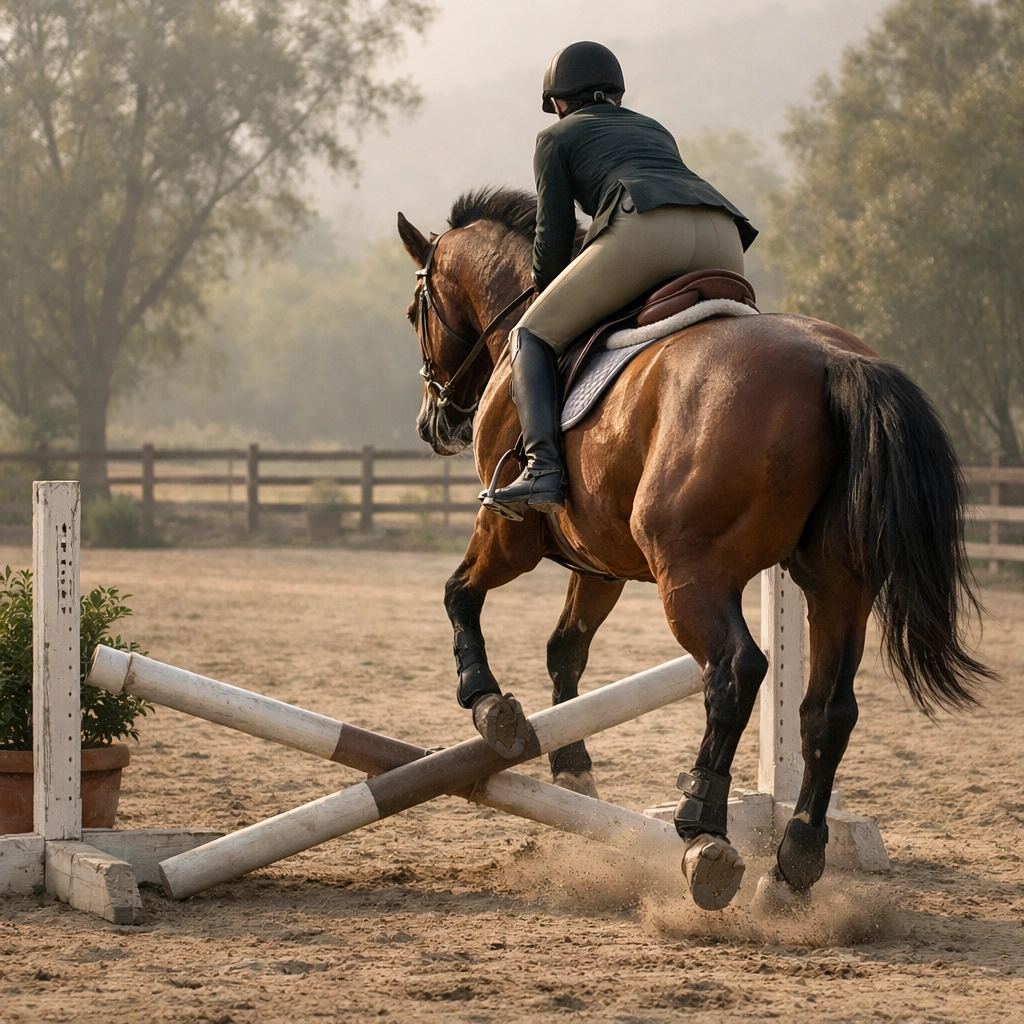
A horse that appears comfortable during the ride but shows soreness afterwards (flinching on grooming, sensitivity along the back, or becoming girthy at tacking up) may be experiencing pressure-related irritation that accumulates during work.
This can occur when pressure is concentrated in specific areas or when the saddle becomes less stable as the horse warms up and the back changes shape under load. Over time, repeated localised pressure can contribute to muscle tenderness and guarded behaviour.
As part of routine checks, run your hands along the topline after riding and note any heat, swelling, flinch responses, or defensive reactions. A correctly fitted treeless saddle, used with appropriate padding, is intended to support more even weight distribution and reduce the risk of focal pressure points.
So... Now What?
If any of the above signs are present, it is worth taking a structured approach: review saddle placement, check balance under the rider, and assess the horse’s back for sensitivity before and after work. Saddle fit is complex, and horses can change shape with season, conditioning, and workload, so regular reassessment is a practical part of good management.
Total Contact Saddles are handmade in the UK and built around a treeless structure designed to support close contact while reducing rigid interference with the horse’s back and shoulder mechanics. When paired with correct padding, the goal is stable rider support, clearer weight distribution, and improved freedom through the topline.
We offer a 14-Day Trial Period on saddles and seats so you can assess performance in your normal work (hacking, schooling, and, where appropriate, jumping) and make an informed decision based on your horse’s way of going and comfort.
To explore options, view the range here: Total Contact Saddles.